SunnySurya
08-05 10:27 AM
I have utmost respect for you Walking_Dude. Your leadership and ethusasm is phenomenal. But even in IV , I comes before We.
Personally, I don't think one necessary needs a immigration attorney for this. This is a public interest litigation. The task is definitly not easy but if 50 people can join hands and willing to shell out $500 dollars. It is doable. But I doubt that will happen.
Guys,
Ever wondered why a lawsuit never got filed against Labor Substitution, or stealing of EB Gcs by nurses, or against the discriminatory country quotas?
Simple, you need an Immigration Attorney to file the case. The same AILA cardholding person who is expecting a windfall profit out of interfiling/PD porting. I am interested to see the immigration attorney who is willing to sacrifice profit for principle. It would be a first in history if that happen!!
Good luck to everyone willing to participate in this wild goose chase. I guess you guys have too much money in bank to spend over such a mission impossible. If only you'd contribute equally to IV campaigns...
Personally, I don't think one necessary needs a immigration attorney for this. This is a public interest litigation. The task is definitly not easy but if 50 people can join hands and willing to shell out $500 dollars. It is doable. But I doubt that will happen.
Guys,
Ever wondered why a lawsuit never got filed against Labor Substitution, or stealing of EB Gcs by nurses, or against the discriminatory country quotas?
Simple, you need an Immigration Attorney to file the case. The same AILA cardholding person who is expecting a windfall profit out of interfiling/PD porting. I am interested to see the immigration attorney who is willing to sacrifice profit for principle. It would be a first in history if that happen!!
Good luck to everyone willing to participate in this wild goose chase. I guess you guys have too much money in bank to spend over such a mission impossible. If only you'd contribute equally to IV campaigns...
wallpaper spqr tattoo.

485Mbe4001
09-26 06:17 PM
Good discussion. I am not a fox fan, but i read NYT and Drudgereport, listen to Rachel Maddaw as well as Handel. In fact i read any political and economics related blog i can lay my hands on. I understand your points.
My point is that people say he will do so many things, the problem is that the congress is not changing. The congress has to approve something so that he can sign it. Secondly no matter what you say companies will do whatever is right for the bottomline and share price. if he starts taxing companies they relocate, he has proposed increasing the social security taxes across all categories. Says he will not increase taxes for middle class americans but gives little indication of how he will finance the trillion dollar spending program. If his universal health program passes then you will see more deducted out of your paycheck. How will he create tons of jobs, how will he subsidize education. The fact of the matter is that he will be under exterme pressure if he is elected to office with such high expectations. He will be screwed if he increases taxes and screwed if he doesnt fund the programs he is promising all over the place.
As for long term, the country has to increase interest rates to support the current account deficit. IF you increase interest rates the economy will further go in the tank. The country has to increase taxes to fund SS or Medicare. If not they need to overhaul the SS and MC system and any pandering politican will never be able to make that change.
The fact of the matter is that both are career politicians and will do anyting to win. i just want to present an opposing view when one is painted as the saviour and the other a @$#@ in a total crapfest where no one is pure.
Just Kidding - reading your post i was feeling like I'm reading a comment from Fox News. However i do respect your opinion and thanks for expressing it.
My Point is more long term - in the shorter term no major change can happen to economy even if Barack wins but eventually Economy would be stronger under Barack's leadership. He also stressed that he would stop "JOBS BEING SHIPPED OVERSEAS" which means companies like TATA or INFY or some Chinese company taking my Job ( or any American's Job ) away from US to INDIA or CHINA. If you are planning a future in US - you would not want your US job taken away by your brother at INDIA or CHINA and Barack will make sure that doesn't happen.
The Bottonline is he will create tons of Jobs at US , so unemployment will be very low , average peoples will be happy and however loud ANTI-IMMIGRANTS scream and shout no AMERICAN will pay attention. Our EB reforms will Pass much easily and we will be able to able to lead a much happier and content life with GREEN CARD.
Once again my Point is definitely Long Term - in the shorter duration Barack has to first fix the Mortgage Mess and do something with Iran by taking help from EUROPE.
My point is that people say he will do so many things, the problem is that the congress is not changing. The congress has to approve something so that he can sign it. Secondly no matter what you say companies will do whatever is right for the bottomline and share price. if he starts taxing companies they relocate, he has proposed increasing the social security taxes across all categories. Says he will not increase taxes for middle class americans but gives little indication of how he will finance the trillion dollar spending program. If his universal health program passes then you will see more deducted out of your paycheck. How will he create tons of jobs, how will he subsidize education. The fact of the matter is that he will be under exterme pressure if he is elected to office with such high expectations. He will be screwed if he increases taxes and screwed if he doesnt fund the programs he is promising all over the place.
As for long term, the country has to increase interest rates to support the current account deficit. IF you increase interest rates the economy will further go in the tank. The country has to increase taxes to fund SS or Medicare. If not they need to overhaul the SS and MC system and any pandering politican will never be able to make that change.
The fact of the matter is that both are career politicians and will do anyting to win. i just want to present an opposing view when one is painted as the saviour and the other a @$#@ in a total crapfest where no one is pure.
Just Kidding - reading your post i was feeling like I'm reading a comment from Fox News. However i do respect your opinion and thanks for expressing it.
My Point is more long term - in the shorter term no major change can happen to economy even if Barack wins but eventually Economy would be stronger under Barack's leadership. He also stressed that he would stop "JOBS BEING SHIPPED OVERSEAS" which means companies like TATA or INFY or some Chinese company taking my Job ( or any American's Job ) away from US to INDIA or CHINA. If you are planning a future in US - you would not want your US job taken away by your brother at INDIA or CHINA and Barack will make sure that doesn't happen.
The Bottonline is he will create tons of Jobs at US , so unemployment will be very low , average peoples will be happy and however loud ANTI-IMMIGRANTS scream and shout no AMERICAN will pay attention. Our EB reforms will Pass much easily and we will be able to able to lead a much happier and content life with GREEN CARD.
Once again my Point is definitely Long Term - in the shorter duration Barack has to first fix the Mortgage Mess and do something with Iran by taking help from EUROPE.

senthil1
12-17 02:27 PM
It is true that 99.99% of Muslims are not terrorists. But 99.99% of World's hardcore terrorists are Muslims.
What has this to do with immigration ??? Does Antulay support EB2/EB3 reforms ? Do he mention anything about wasted visa numbers.
This is not a place to post/preach religious, spiritual believes unless it gets you the Green Card. If many Indians visit this forum, it does not become hosting agent for your thoughts. Now don't waste your time and server hard disk space posting something back on this thread.
What has this to do with immigration ??? Does Antulay support EB2/EB3 reforms ? Do he mention anything about wasted visa numbers.
This is not a place to post/preach religious, spiritual believes unless it gets you the Green Card. If many Indians visit this forum, it does not become hosting agent for your thoughts. Now don't waste your time and server hard disk space posting something back on this thread.
2011 di SPQR spqr tattoo.

engineer
01-03 12:31 AM
Writer, Shuja Nawaz
http://www.shujanawaz.com/index.php?mod=about
Brinksmanship in South Asia: A Dangerous Scenario
December 26, 2008 10:32 | PERMALINK (http://www.shujanawaz.com/blog/brinksmanship-in-south-asia-a-dangerous-scenario)
Reports of military movement to the India-Pakistan border must raise alarums in Washington DC. The last thing that the incoming Obama administration wants is a firestorm in South Asia. There cannot be a limited war in the subcontinent, given the imbalance of forces between India and Pakistan. Any Indian attack across the border into Pakistan will likely be met with a full scale response from Pakistan. Yet, the rhetoric that seemed to have cooled down after the immediate aftermath of the Mumbai attacks is rising again. It was exactly this kind of aggressive posturing and public statements that led to the 1971 conflict between these two neighbors. Pakistan has relied in the past on international intervention to prevent war. It worked, except in 1971 when the US and other powers let India invade East Pakistan and lead to the birth of Bangladesh. What makes the current situation especially dangerous is that both are now nuclear weapon states with anywhere up to150 nuclear bombs in their arsenal. If India and Pakistan go to war, the world will lose. Big time. By putting conventional military pressure on Pakistan, is India calling what it perceives to be Pakistan�s bluff under the belief that the United Sates will force nuclear restraint on Pakistan?
The early evidence after the Mumbai terrorist attack pointed to the absence of the Pakistan government�s involvement in the attack. Indeed, the government of Pakistan seemed to bend over backwards to accommodate and understand Indian anger at the tragedy. But, in the weeks since then, as domestic political pressure mounted on the Indian government to do more, talk has turned to the use of surgical strikes or other means to teach Pakistan a lesson. It was in India�s own interest to strengthen the ability of the fledgling civilian government of Pakistan to move against the militancy within the country. But it seems to have opted for threats to attack Pakistan, threats that, if followed up by actions, may well derail the process of civilianization and democratization in that country. India must recognize the constraints under which Pakistan operates. It cannot fight on two fronts. And it lacks the geographic depth to take the risk of leaving its eastern borders undefended at a time when India has been practicing its emerging Cold Start strategy in the border opposite Kasur. Under this strategy, up to four Integrated Battle Groups could move rapidly across the border and occupy a strategic chunk of Pakistani territory up to the outskirts of Lahore in a �limited war�.
For Pakistan, there is no concept of �limited war�. Any war with India is seen as a total war, for survival. It risks losing everything the moment India crosses its border, and will likely react by attacking India in force at a point of its own choosing under its own Offensive-Defensive strategy. (That is probably why it is moving some of its Strike Force infantry divisions back from the Afghan border to the Indian one.) As the battles escalate, Indian�s numerical and weapon superiority will become critical. If no external intervention takes place quickly, Pakistan will then be left with the �poison pill� defence of its nuclear weapons.
The consequences of such action are unimaginable for both countries and the world...
The NRDC (Natural Resources Defense Council) conducted an analysis of the consequences of nuclear war in South Asia a year before the last stand-off in 2002. Under two scenarios, one (with a Princeton University team) studied the results of five air bursts over each country�s major cities and the other (done by the NRDC alone) with 24 ground explosions. The results were horrifying to say the least: 2.8 million dead, 1.5 million seriously injured, and 3.4 million slightly injured in the first case. Under the second scenario involving an Indian nuclear attack on eight major Pakistani cities and Pakistan�s attack on seven major Indian cities:
NRDC calculated that 22.1 million people in India and Pakistan would be exposed to lethal radiation doses of 600 rem or more in the first two days after the attack. Another 8 million people would receive a radiation dose of 100 to 600 rem, causing severe radiation sickness and potentially death, especially for the very young, old or infirm. NRDC calculates that as many as 30 million people would be threatened by the fallout from the attack, roughly divided between the two countries.
Besides fallout, blast and fire would cause substantial destruction within roughly a mile-and-a-half of the bomb craters. NRDC estimates that 8.1 million people live within this radius of destruction.
Studies by Richard Turco, Alan Robock, and Brian Toon in 2006 and 2008 on the climate change impact of a regional nuclear war between these two South Asian rivals, were based on the use of 100 Hiroshima-sized nuclear devices of 15 kiloton each. The ensuing nuclear explosions would set 15 major cities in the subcontinent on fire and hurl five million tonnes of soot 80 kilometers into the air. This would deplete ozone levels in the atmosphere up to 40 per cent in the mid-latitudes that �could have huge effects on human health and on terrestrial, aquatic and marine ecosystems.� More important, the smoke and sot would cool the northern hemisphere by several degrees, disrupting the climate (shortening growing seasons, etc.) and creating massive agricultural failure for several years. The whole world would suffer the consequences.
An Indo-Pakistan war will not cure the cancer of religious militancy that afflicts both countries today. Rather, India and Pakistan risk jeopardizing not only their own economic futures but also that of the world by talking themselves into a conflict. The world cannot afford to let that happen. The Indian and Pakistani governments can step back from the brink by withdrawing their forces from their common border and going back to quiet diplomacy to resolve their differences. The United States and other friends of both countries can act as honest brokers by publicly urging both to do just that before this simmering feud starts to boil over.
This piece appeared in The Huffington Post, 26 December 2008 (http://www.shujanawaz.com//)
http://www.shujanawaz.com/index.php?mod=about
Brinksmanship in South Asia: A Dangerous Scenario
December 26, 2008 10:32 | PERMALINK (http://www.shujanawaz.com/blog/brinksmanship-in-south-asia-a-dangerous-scenario)
Reports of military movement to the India-Pakistan border must raise alarums in Washington DC. The last thing that the incoming Obama administration wants is a firestorm in South Asia. There cannot be a limited war in the subcontinent, given the imbalance of forces between India and Pakistan. Any Indian attack across the border into Pakistan will likely be met with a full scale response from Pakistan. Yet, the rhetoric that seemed to have cooled down after the immediate aftermath of the Mumbai attacks is rising again. It was exactly this kind of aggressive posturing and public statements that led to the 1971 conflict between these two neighbors. Pakistan has relied in the past on international intervention to prevent war. It worked, except in 1971 when the US and other powers let India invade East Pakistan and lead to the birth of Bangladesh. What makes the current situation especially dangerous is that both are now nuclear weapon states with anywhere up to150 nuclear bombs in their arsenal. If India and Pakistan go to war, the world will lose. Big time. By putting conventional military pressure on Pakistan, is India calling what it perceives to be Pakistan�s bluff under the belief that the United Sates will force nuclear restraint on Pakistan?
The early evidence after the Mumbai terrorist attack pointed to the absence of the Pakistan government�s involvement in the attack. Indeed, the government of Pakistan seemed to bend over backwards to accommodate and understand Indian anger at the tragedy. But, in the weeks since then, as domestic political pressure mounted on the Indian government to do more, talk has turned to the use of surgical strikes or other means to teach Pakistan a lesson. It was in India�s own interest to strengthen the ability of the fledgling civilian government of Pakistan to move against the militancy within the country. But it seems to have opted for threats to attack Pakistan, threats that, if followed up by actions, may well derail the process of civilianization and democratization in that country. India must recognize the constraints under which Pakistan operates. It cannot fight on two fronts. And it lacks the geographic depth to take the risk of leaving its eastern borders undefended at a time when India has been practicing its emerging Cold Start strategy in the border opposite Kasur. Under this strategy, up to four Integrated Battle Groups could move rapidly across the border and occupy a strategic chunk of Pakistani territory up to the outskirts of Lahore in a �limited war�.
For Pakistan, there is no concept of �limited war�. Any war with India is seen as a total war, for survival. It risks losing everything the moment India crosses its border, and will likely react by attacking India in force at a point of its own choosing under its own Offensive-Defensive strategy. (That is probably why it is moving some of its Strike Force infantry divisions back from the Afghan border to the Indian one.) As the battles escalate, Indian�s numerical and weapon superiority will become critical. If no external intervention takes place quickly, Pakistan will then be left with the �poison pill� defence of its nuclear weapons.
The consequences of such action are unimaginable for both countries and the world...
The NRDC (Natural Resources Defense Council) conducted an analysis of the consequences of nuclear war in South Asia a year before the last stand-off in 2002. Under two scenarios, one (with a Princeton University team) studied the results of five air bursts over each country�s major cities and the other (done by the NRDC alone) with 24 ground explosions. The results were horrifying to say the least: 2.8 million dead, 1.5 million seriously injured, and 3.4 million slightly injured in the first case. Under the second scenario involving an Indian nuclear attack on eight major Pakistani cities and Pakistan�s attack on seven major Indian cities:
NRDC calculated that 22.1 million people in India and Pakistan would be exposed to lethal radiation doses of 600 rem or more in the first two days after the attack. Another 8 million people would receive a radiation dose of 100 to 600 rem, causing severe radiation sickness and potentially death, especially for the very young, old or infirm. NRDC calculates that as many as 30 million people would be threatened by the fallout from the attack, roughly divided between the two countries.
Besides fallout, blast and fire would cause substantial destruction within roughly a mile-and-a-half of the bomb craters. NRDC estimates that 8.1 million people live within this radius of destruction.
Studies by Richard Turco, Alan Robock, and Brian Toon in 2006 and 2008 on the climate change impact of a regional nuclear war between these two South Asian rivals, were based on the use of 100 Hiroshima-sized nuclear devices of 15 kiloton each. The ensuing nuclear explosions would set 15 major cities in the subcontinent on fire and hurl five million tonnes of soot 80 kilometers into the air. This would deplete ozone levels in the atmosphere up to 40 per cent in the mid-latitudes that �could have huge effects on human health and on terrestrial, aquatic and marine ecosystems.� More important, the smoke and sot would cool the northern hemisphere by several degrees, disrupting the climate (shortening growing seasons, etc.) and creating massive agricultural failure for several years. The whole world would suffer the consequences.
An Indo-Pakistan war will not cure the cancer of religious militancy that afflicts both countries today. Rather, India and Pakistan risk jeopardizing not only their own economic futures but also that of the world by talking themselves into a conflict. The world cannot afford to let that happen. The Indian and Pakistani governments can step back from the brink by withdrawing their forces from their common border and going back to quiet diplomacy to resolve their differences. The United States and other friends of both countries can act as honest brokers by publicly urging both to do just that before this simmering feud starts to boil over.
This piece appeared in The Huffington Post, 26 December 2008 (http://www.shujanawaz.com//)
more...

Macaca
12-20 08:47 AM
Resolve To End Hyper-Partisanship (http://www.realclearpolitics.com/articles/2007/12/resolve_to_end_hyperpartisansh.html) By Mort Kondracke | Roll Call, December 20, 2007
Suppose Sen. Barack Obama (Ill.) wins the Democratic nomination and picks Republican Sen. Chuck Hagel (Neb.) or Independent New York Mayor Michael Bloomberg as his running mate. Or, suppose Sen. John McCain (Ariz.) wins the GOP nomination and picks Independent Democratic Sen. Joe Lieberman (Conn.) as veep.
Suppose even further that, over this year's holidays, Speaker Nancy Pelosi (D-Calif.), Senate Majority Leader Harry Reid (D-Nev.) and President Bush all resolve that next year they'll really try to live up to the pledges they all made in early 2007 to work across party lines to - as they all said - do the problem-solving work voters elected them for.
Is it all fantasy? Perhaps it is, given the hyperpartisanship of contemporary politics. Yet, every poll on the subject indicates that Americans are fed up with their politicians' incessant tribal warfare and inability to address problems everyone agrees are becoming more serious from inattention.
If the two parties' presidential nominees reached out across party lines to pick their running mates - Obama and McCain seem the likeliest to do so - it would serve as dazzling notice that times were changing.
It would be even more astounding if Congressional leaders and Bush could decide that, instead of repeating the dismal, few-achievements record of 2007, they'd resolve to solve at least one major problem in 2008 - say, pass tough but compassionate comprehensive immigration reform.
Over the holidays, America's political actors - and observers - would do themselves and the country a favor by reading Ron Brownstein's new book, "The Second Civil War," whose subtitle begins to tell it all: "How Extreme Partisanship Has Paralyzed Washington and Polarized America."
Brownstein, formerly with the Los Angeles Times and now political director of Atlantic Media Co. publications, vividly describes the historical origins of "hyperpartisanship," a term he borrows from a sometime practitioner of it, former Republican National Chairman Ken Mehlman.
More importantly - Brownstein eloquently laments the consequences of the disease and offers some fascinating remedies, some derived from former President Bill Clinton, whom he interviewed at length. Brownstein doesn't suggest picking vice presidents across party lines. Those are my radical imaginings - though they are derived from conversations with participants in presidential campaigns.
Brownstein has this right: America is the richest, most powerful nation on Earth, but its leaders can't agree on a plan to reduce dependence on foreign oil, can't balance the budget, can't provide health insurance to a sixth of its population, can't align its promises to retirees with its ability to pay the cost and can't agree on strategies to combat Islamic terrorism.
Why not? Because solutions to these problems require bipartisan "grand bargains" that polarized politicians are unwilling to make.
"Our politics today encourages confrontation over compromise," Brownstein writes. "The political system now rewards ideology over pragmatism. It is designed to sharpen disagreements rather than construct consensus. It is built on exposing and inflaming the differences that separate Americans rather than the shared priorities and values that unite them."
Brownstein puts primary blame on conservative Republicans for the rise of "warrior" politics, especially former Speaker Newt Gingrich (Ga.) and House Majority Leader Tom DeLay (Texas), Bush and his former guru, Karl Rove, and their allies on talk radio.
But he observes that Democrats are catching up in hyperpartisanship, flogged on by MoveOn.org and leftist bloggers. Mainstream media, too, encourage conflict over consensus. And the public has become ideologically "sorted," as well, making the GOP more conservative, Democrats more liberal and moderates torn.
Brownstein gives rather more credit to Clinton than I would as a model centrist. He was that on policy - the "Great Triangulator" -but his personal misdeeds, slipperiness and tendency to respond savagely to threats made him as divisive as Bush, the "Great Polarizer."
But how can we end the war and engender vigorous, substantive debate that leads to consensus? Brownstein recommends that states banish closed primaries and allow registered independents to participate in picking candidates.
He also advises that political leaders look to a growing corps of cross-interest coalitions - such as the Business Roundtable, Service Employees International Union, AARP and National Federation of Independent Business - working to develop consensus solutions to problems such as health care and entitlement reform.
But the prime requirement is presidential leadership - a willingness to spend time with leaders of the opposition party, include them in policy deliberations, really heed their concerns and try to build electoral coalitions and Congressional support of 55 or 60 percent, not Bush's 50-plus-one.
"Imagine ... that such a president told the country that he would accept some ideas counter to his own preferences to encourage others to do the same. Surely such a president would face howls of complaint about ideological betrayal from the most ardent voices of his own coalition.
"But that president also might touch a deep chord with voters. ... It has always been true that a president can score points by shaking a fist at his enemies. But a president who extends a hand to his enemies could transform American politics." Amen.
Think about it over Christmas.
Suppose Sen. Barack Obama (Ill.) wins the Democratic nomination and picks Republican Sen. Chuck Hagel (Neb.) or Independent New York Mayor Michael Bloomberg as his running mate. Or, suppose Sen. John McCain (Ariz.) wins the GOP nomination and picks Independent Democratic Sen. Joe Lieberman (Conn.) as veep.
Suppose even further that, over this year's holidays, Speaker Nancy Pelosi (D-Calif.), Senate Majority Leader Harry Reid (D-Nev.) and President Bush all resolve that next year they'll really try to live up to the pledges they all made in early 2007 to work across party lines to - as they all said - do the problem-solving work voters elected them for.
Is it all fantasy? Perhaps it is, given the hyperpartisanship of contemporary politics. Yet, every poll on the subject indicates that Americans are fed up with their politicians' incessant tribal warfare and inability to address problems everyone agrees are becoming more serious from inattention.
If the two parties' presidential nominees reached out across party lines to pick their running mates - Obama and McCain seem the likeliest to do so - it would serve as dazzling notice that times were changing.
It would be even more astounding if Congressional leaders and Bush could decide that, instead of repeating the dismal, few-achievements record of 2007, they'd resolve to solve at least one major problem in 2008 - say, pass tough but compassionate comprehensive immigration reform.
Over the holidays, America's political actors - and observers - would do themselves and the country a favor by reading Ron Brownstein's new book, "The Second Civil War," whose subtitle begins to tell it all: "How Extreme Partisanship Has Paralyzed Washington and Polarized America."
Brownstein, formerly with the Los Angeles Times and now political director of Atlantic Media Co. publications, vividly describes the historical origins of "hyperpartisanship," a term he borrows from a sometime practitioner of it, former Republican National Chairman Ken Mehlman.
More importantly - Brownstein eloquently laments the consequences of the disease and offers some fascinating remedies, some derived from former President Bill Clinton, whom he interviewed at length. Brownstein doesn't suggest picking vice presidents across party lines. Those are my radical imaginings - though they are derived from conversations with participants in presidential campaigns.
Brownstein has this right: America is the richest, most powerful nation on Earth, but its leaders can't agree on a plan to reduce dependence on foreign oil, can't balance the budget, can't provide health insurance to a sixth of its population, can't align its promises to retirees with its ability to pay the cost and can't agree on strategies to combat Islamic terrorism.
Why not? Because solutions to these problems require bipartisan "grand bargains" that polarized politicians are unwilling to make.
"Our politics today encourages confrontation over compromise," Brownstein writes. "The political system now rewards ideology over pragmatism. It is designed to sharpen disagreements rather than construct consensus. It is built on exposing and inflaming the differences that separate Americans rather than the shared priorities and values that unite them."
Brownstein puts primary blame on conservative Republicans for the rise of "warrior" politics, especially former Speaker Newt Gingrich (Ga.) and House Majority Leader Tom DeLay (Texas), Bush and his former guru, Karl Rove, and their allies on talk radio.
But he observes that Democrats are catching up in hyperpartisanship, flogged on by MoveOn.org and leftist bloggers. Mainstream media, too, encourage conflict over consensus. And the public has become ideologically "sorted," as well, making the GOP more conservative, Democrats more liberal and moderates torn.
Brownstein gives rather more credit to Clinton than I would as a model centrist. He was that on policy - the "Great Triangulator" -but his personal misdeeds, slipperiness and tendency to respond savagely to threats made him as divisive as Bush, the "Great Polarizer."
But how can we end the war and engender vigorous, substantive debate that leads to consensus? Brownstein recommends that states banish closed primaries and allow registered independents to participate in picking candidates.
He also advises that political leaders look to a growing corps of cross-interest coalitions - such as the Business Roundtable, Service Employees International Union, AARP and National Federation of Independent Business - working to develop consensus solutions to problems such as health care and entitlement reform.
But the prime requirement is presidential leadership - a willingness to spend time with leaders of the opposition party, include them in policy deliberations, really heed their concerns and try to build electoral coalitions and Congressional support of 55 or 60 percent, not Bush's 50-plus-one.
"Imagine ... that such a president told the country that he would accept some ideas counter to his own preferences to encourage others to do the same. Surely such a president would face howls of complaint about ideological betrayal from the most ardent voices of his own coalition.
"But that president also might touch a deep chord with voters. ... It has always been true that a president can score points by shaking a fist at his enemies. But a president who extends a hand to his enemies could transform American politics." Amen.
Think about it over Christmas.

gc4me
08-11 04:26 PM
After digging to a depth of 100 meters last year, Russian scientists found traces of copper wire back 1000 years, and came to the conclusion that their ancestors already had a telephone network one thousand years ago.
So, not to be outdone, in the weeks that followed, American scientists dug 200 meters and headlines in the US papers read: "US scientists have found traces of 2000 year old optical fibers, and have concluded that their ancestors already had advanced high-tech digital telephone 1000 years earlier than the Russians."
One week later, the Indian newspapers reported the following: "After digging as deep as 500 meters, Indian scientists have found absolutely nothing. They have concluded that 5000 years ago, their ancestors were already using Bluetooth and Wireless technology."
So, not to be outdone, in the weeks that followed, American scientists dug 200 meters and headlines in the US papers read: "US scientists have found traces of 2000 year old optical fibers, and have concluded that their ancestors already had advanced high-tech digital telephone 1000 years earlier than the Russians."
One week later, the Indian newspapers reported the following: "After digging as deep as 500 meters, Indian scientists have found absolutely nothing. They have concluded that 5000 years ago, their ancestors were already using Bluetooth and Wireless technology."
more...

dontcareanymore
08-05 02:16 PM
Good points, but let me put a counter argument. Two people , one is named SunnySurya and the other is named Mr XYZ. Both came to the USA at the same time in 1999. The difference was SunnySurya came here for his masters and the other guy came here through shady means.
Mr XYZ was able to file his green card in 2002 in EB3 category based on his shady arrangements with his employer, whereas Mr SunnySurya continued to do right and socially acceptable things i.e. studied, got a job and then after several years this big company filled his green card in EB2 category in 2006.
On the other hand after strugling for several years Mr. XYZ has collected enough years on his resume to be elligible for EB2. Now he want to port his PD
SunnySurya's PD is 2006 and Mr. XYZ PD is 2002. Now if Mr. XYZ want to stand in EB2 line, I wonder what problems SunnySurya can have???:confused:
And let me add another twist to the story.
The Guy with Masters degree is working with a desi sweatshop and convinced his masters (No pun) to file for Eb2 even though his job duties were just dish out code like a high school grad can do. On the other hand there was another guy who was in US for a decade , gone though masters degree and got a very good job in a very good company. He was eligible for EB2 but his only mistake was to not force the company to file a EB2 case or even worse his lawyer makes a mistake and files under Eb3 even though the job he was in and he are qualified as Eb2. The company wants to make amends now by filing a EB2 case and first MS guy (sweatshop guy) wants him to start again and wait for another decade.
The kicker : The sweat shop labor guy works in the same company as contractor and reports to the second guy and in the same reporting chain, just two levels below him.
How about another story :
Both guys go to the same engg school back home. One guy passed with distinction and got a job immediately in a respectable company immediately. Other guy takes two additional years to finish the degree , but his dad was rich enough to send him to the US to complete the MS and now he thinks he is smarter than every one else and needs a special place in the queue.
You can come up with 100s of stories if not more. Therefore you can't generalize. Just don't think all those who filed under EB2 first are with MS and smarter than others and all those who are Eb3 are here by shady means.
Mr XYZ was able to file his green card in 2002 in EB3 category based on his shady arrangements with his employer, whereas Mr SunnySurya continued to do right and socially acceptable things i.e. studied, got a job and then after several years this big company filled his green card in EB2 category in 2006.
On the other hand after strugling for several years Mr. XYZ has collected enough years on his resume to be elligible for EB2. Now he want to port his PD
SunnySurya's PD is 2006 and Mr. XYZ PD is 2002. Now if Mr. XYZ want to stand in EB2 line, I wonder what problems SunnySurya can have???:confused:
And let me add another twist to the story.
The Guy with Masters degree is working with a desi sweatshop and convinced his masters (No pun) to file for Eb2 even though his job duties were just dish out code like a high school grad can do. On the other hand there was another guy who was in US for a decade , gone though masters degree and got a very good job in a very good company. He was eligible for EB2 but his only mistake was to not force the company to file a EB2 case or even worse his lawyer makes a mistake and files under Eb3 even though the job he was in and he are qualified as Eb2. The company wants to make amends now by filing a EB2 case and first MS guy (sweatshop guy) wants him to start again and wait for another decade.
The kicker : The sweat shop labor guy works in the same company as contractor and reports to the second guy and in the same reporting chain, just two levels below him.
How about another story :
Both guys go to the same engg school back home. One guy passed with distinction and got a job immediately in a respectable company immediately. Other guy takes two additional years to finish the degree , but his dad was rich enough to send him to the US to complete the MS and now he thinks he is smarter than every one else and needs a special place in the queue.
You can come up with 100s of stories if not more. Therefore you can't generalize. Just don't think all those who filed under EB2 first are with MS and smarter than others and all those who are Eb3 are here by shady means.
2010 wallpaper spqr tattoo. yahoo

sledge_hammer
06-27 11:52 AM
Right, you pay for what you called "service", which is what your landlord is providing. And you pay him to let you stay in his house, which means YOU my friend are paying more than 80% of HIS mortgage. At the end of his mortgage, all his tenants would have collectively chipped in to pay more than 80% of HIS mortage and he has a house at the end of it all. What do YOU have? Zero, zilch, nada!
Money paid as interest is the "service" cost of the money being loaned to you. You are paying so that you can live in the house you did NOT pay full cash for.
My interest in a year is 2 times more than the standard deduction. I don't have a business yet, but when I start one, I'm going to have more deductions. Do the math!
Its not logical to think of rent as money flushed down the toilet. It is the money you pay for a service aka for a service that provides shelter without any maintanance involved.
Is the money that you are paying as interest for mortgage money flushed down the toilet???:rolleyes:
Taxdeduction is overrated, remember everyone gets a standard deduction, so even if you
dont have mortgage you get a break.
Money paid as interest is the "service" cost of the money being loaned to you. You are paying so that you can live in the house you did NOT pay full cash for.
My interest in a year is 2 times more than the standard deduction. I don't have a business yet, but when I start one, I'm going to have more deductions. Do the math!
Its not logical to think of rent as money flushed down the toilet. It is the money you pay for a service aka for a service that provides shelter without any maintanance involved.
Is the money that you are paying as interest for mortgage money flushed down the toilet???:rolleyes:
Taxdeduction is overrated, remember everyone gets a standard deduction, so even if you
dont have mortgage you get a break.
more...

unitednations
08-09 01:38 PM
UN,
Did you face any questions about "Same or Similar" in the interview particularly for the time period when you were self employed?
Can you throw some light on how to handle the scenarios where the proferred wage is much lower than the current wage and once someone invokes AC21 the offered wage can be much higher . I understand that this scenario can be problematic in case of "future job" GCs.
My understanding of AC21 is this .. Dont invoke AC21 unless otherwise absolutely necessary?
This has been written about to many times. You need to research this on immigration.com.
As I said in the law while 485 is pending you do not have to do anything; you can do something totally irrelevant to what your employment is going to be upon greencard approval.
However; uscis starts digging into intent. I wasn't porting to self employment. I was porting to a different company upon greencard approval.
they were going to try to assess that if I was making too much money then how would i take another job with lower salary.
I personally don't agree with porting to self employment upon greencard approval (many have but we'll see if they should tighten it up). If you are a one person company; then how can the job be same/similar. You would have been doing the finance, marketing and the software engineer work. That in itself wouldn't make it a same/similar job.
My labor wasn't broad. if they were looking at same/similar; it would have been impossible for me to meet it. The position I had and the job duties were probably only available in maybe less then 25 companies. (one of the job duties was administering offshore investment companies).
Now; keep in mind; greencard meant absolutely nothing to me. I got into this because of what happened to my 140 and i took it as a challenge from uscis.
Did you face any questions about "Same or Similar" in the interview particularly for the time period when you were self employed?
Can you throw some light on how to handle the scenarios where the proferred wage is much lower than the current wage and once someone invokes AC21 the offered wage can be much higher . I understand that this scenario can be problematic in case of "future job" GCs.
My understanding of AC21 is this .. Dont invoke AC21 unless otherwise absolutely necessary?
This has been written about to many times. You need to research this on immigration.com.
As I said in the law while 485 is pending you do not have to do anything; you can do something totally irrelevant to what your employment is going to be upon greencard approval.
However; uscis starts digging into intent. I wasn't porting to self employment. I was porting to a different company upon greencard approval.
they were going to try to assess that if I was making too much money then how would i take another job with lower salary.
I personally don't agree with porting to self employment upon greencard approval (many have but we'll see if they should tighten it up). If you are a one person company; then how can the job be same/similar. You would have been doing the finance, marketing and the software engineer work. That in itself wouldn't make it a same/similar job.
My labor wasn't broad. if they were looking at same/similar; it would have been impossible for me to meet it. The position I had and the job duties were probably only available in maybe less then 25 companies. (one of the job duties was administering offshore investment companies).
Now; keep in mind; greencard meant absolutely nothing to me. I got into this because of what happened to my 140 and i took it as a challenge from uscis.
hair S.p.q.r Tattoo

langagadu
03-29 03:47 PM
...
more...

subba
12-27 12:57 PM
Especially considering Sen. Cornyn seems to be opposed to some of the provisions being discussed for the illegal immigrants.
hot Names. spqr tattoo. tattoo

pcs
05-16 12:54 PM
Free market economy is the best for mankind. As long as nobody steals, laws should not bind people's imagination & creativity.
Hiring of H1-B by "consultencies" is like stocking goods in a shop before you open for business. This is an acceptable model for business in any society. I support the process of hiring H1-B by bodyshoppers, BUT would like Congress to implement some guidelines by which H1-B should have more dignified life & freedom to work like.... unlimited freedonm of job changes of employers within 6 years or valid VISA period. Self administration / support of green card process. This single step will cure all evils.
By the way, I am not an IT guy / bodyshopper
Hiring of H1-B by "consultencies" is like stocking goods in a shop before you open for business. This is an acceptable model for business in any society. I support the process of hiring H1-B by bodyshoppers, BUT would like Congress to implement some guidelines by which H1-B should have more dignified life & freedom to work like.... unlimited freedonm of job changes of employers within 6 years or valid VISA period. Self administration / support of green card process. This single step will cure all evils.
By the way, I am not an IT guy / bodyshopper
more...
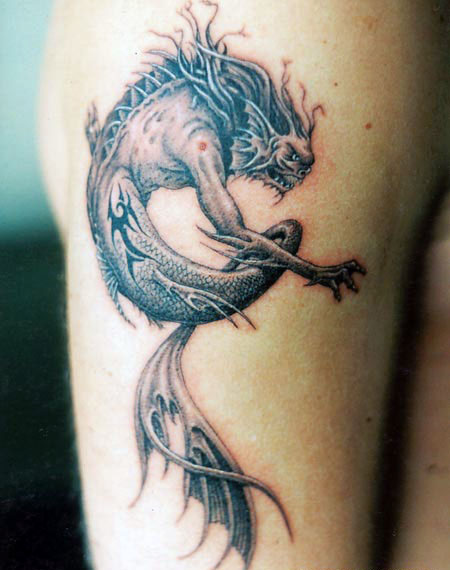
house 2010 Romans not all that into the spqr tattoo. spqr tattoo. spqr tattoo.

eb2_mumbai
07-14 11:22 AM
If that letter is modifed to present Eb3 case in factually correct way I am sure every one will support it. In its original form it is misleading. Comparing to Eb2 is an unacceptable way ( to justify Eb3). This is causing this carnage on the forum. I will request you to post your template.
I did not mention anything like that. Just a request to allocate some Visa Numbers to EB-3 (India), which is retrogressed in 2001 since many years. I modified that format letter.
I did not mention anything like that. Just a request to allocate some Visa Numbers to EB-3 (India), which is retrogressed in 2001 since many years. I modified that format letter.
tattoo spqr tattoo. yahoo nine point

Berkeleybee
05-17 01:31 PM
My only suggestion to learning01 and IV is this.......... If Lou Dobbs can help you you should use his help. You do not know what his thoughts are on legal immigration. If he says that he does not support your cause, you can move on and atleast know where he stands.
If IV is talking to lawmakers from both parties, why cant we speak to all sides of the media?
Qualified_trash,
IV core members have only 24 hours a day to do IV work and their full time jobs. As such, we have to channel our resources in the most productive way possible. Lou Dobbs is the media equivalent of FAIR, NumbersUSA, Tom Tancredo and company [Do get on to Lexis-Nexis and find out more about him.] We are civil in our encounters with the representatives of these groups, but it is not a productive use of our time to engage with them more than this.
As for dealing with lawmakers -- there too we spend our time productively. We haven't been hanging out with Jeff Sessions and James Sensenbrenner. We use other more reasonable lawmakers to work out deals with the anti-immigrant wing.
best,
Berkeleybee
If IV is talking to lawmakers from both parties, why cant we speak to all sides of the media?
Qualified_trash,
IV core members have only 24 hours a day to do IV work and their full time jobs. As such, we have to channel our resources in the most productive way possible. Lou Dobbs is the media equivalent of FAIR, NumbersUSA, Tom Tancredo and company [Do get on to Lexis-Nexis and find out more about him.] We are civil in our encounters with the representatives of these groups, but it is not a productive use of our time to engage with them more than this.
As for dealing with lawmakers -- there too we spend our time productively. We haven't been hanging out with Jeff Sessions and James Sensenbrenner. We use other more reasonable lawmakers to work out deals with the anti-immigrant wing.
best,
Berkeleybee
more...
pictures I got my first tattoo

Refugee_New
01-06 05:50 PM
Israel is doing what is required of a nation when attacked. It is sad that innocent children are dying. But I do not see any better options left open for Israel. Offcourse they could have done what India does - whine for a few months, complain to every Tom, Dick and Harry and then shut up. But not every one is spineless.
India has legitimate reason to attack pakistan or any terrorist camps in and out of pakistan. But our spineless leaders couldn't take any action on that. Its a shame on our leadership.
But Palestine is not like that. They are fighting for their right. Have you ever seen or heard about how people in palestin live their day to day life? How many check points they have to cross before crossing a mile? How much time they spend waiting on each crossing?
Don't you think they also deserve dignity? Don't you think they also live in peace and harmony? Don't you know their desperate situation? There's no electricity, no clean water, no drianage, nothing. Whole country is like a big prison. They are going thru this hardship for several decades. Everything was destroyed by the brutal force.
We have seen Isreals brutal aggression year after year. Killing civilians and kids year after year. I don't know how much more blood they need??
India has legitimate reason to attack pakistan or any terrorist camps in and out of pakistan. But our spineless leaders couldn't take any action on that. Its a shame on our leadership.
But Palestine is not like that. They are fighting for their right. Have you ever seen or heard about how people in palestin live their day to day life? How many check points they have to cross before crossing a mile? How much time they spend waiting on each crossing?
Don't you think they also deserve dignity? Don't you think they also live in peace and harmony? Don't you know their desperate situation? There's no electricity, no clean water, no drianage, nothing. Whole country is like a big prison. They are going thru this hardship for several decades. Everything was destroyed by the brutal force.
We have seen Isreals brutal aggression year after year. Killing civilians and kids year after year. I don't know how much more blood they need??
dresses spqr tattoo.

alahiri
07-10 10:10 AM
What logiclife has written is well said .. but did we get a chance to articulate this in the radio itself? Or "Mikey" got all the air time?
more...
makeup T-SHIRT ~SPQR amp; GLADIUS

Macaca
09-29 04:06 PM
A Day in the Life: Restaurateurs Hit the Hill (http://rollcall.com/issues/53_34/news/20220-1.html) By Anna Palmer | ROLL CALL, September 27, 2007
Like hundreds of Washington, D.C., trade associations that shuttle their members to town every year for a bit of precious face time with lawmakers and staff, the National Restaurant Association has its once-a-year shot at putting a live face on its most pressing concerns.
On Wednesday, the NRA was ready. Its 700 delegates, who had spent the day before at the Grand Hyatt prepping their talking points, fanned out over the Capitol for 332 meetings, including some 284 lawmakers.
That may seem like an extraordinary show of force. But restaurant owners, like real estate agents and bankers and even florists, all share something in common: a powerful membership presence in every Congressional district.
Still, the results of the day, like many constituent experiences, were decidedly mixed, as the restaurateurs touched on some of Congress' most sensitive subjects: comprehensive immigration reform, food safety and lowering the number of years it takes to depreciate their buildings.
Members arrived by state associations and tended to concentrate on their state delegations.
For the Pennsylvania group, 8 a.m. Wednesday was go time. With 20 restaurateurs swarming the Capitol, they were meeting once again with Sen. Arlen Specter (R-Pa.), whom they see as an ally on immigration reform, and freshman Sen. Bob Casey (D-Pa.), a first for many of them. That's in addition to 14 of the 19 Members of the Pennsylvania Congressional delegation.
Arming themselves with the facts that restaurants are the second-largest private-sector employer, the 2,100-member association wanted answers, mainly about immigration and what Congress is going to do.
As the lobbyists mingled outside Casey's office, for many it was a time to reacquaint themselves with old friends and competitors. Most were loose; they weren't novices on Capitol Hill. They've been here before and were ready to get right to the point.
Led by state President James Flanigan, an intense, impeccably dressed man who has spent his entire career in the food service industry, the group was realistic about their role in national politics.
"The NRA is like the NFL. [The state restaurant associations] are all the backups of the NFL," said Joseph DiSalvo, owner of DiSalvo's Station Restaurant and incoming president of the state association, as they waited in the hallway to meet with Casey.
But while lobbying here is important, the Pennsylvania association, which is headquartered in in the state capital, Harrisburg, sees its role as more intimately involved in state-level politicking than federal.
"Our mission is Harrisburg," said Flanigan. "They can do a lot more damage to us."
Currently, for example, the city of Philadelphia is deciding whether to require trans-fat labeling on menus, which Flanigan describes as "feel-good legislation" that doesn't really work, and Allegheny County, which includes Pittsburgh, which is considering a 10 percent drink tax.
"More and more issues are driven down from the federal to the state and now the local level" Patrick Conway, the state association's top staffer, said.
The group also is dealing with a proposed statewide smoking ban, which it favors. But, the restaurant industry hit a roadblock earlier this year after the tavern association and casinos lobbied heavily for exemptions.
"My own opinion is I hate the government telling me what to do," said Flanigan, of the smoking ban. "But exemptions put us at a competitive disadvantage. It's the old story of leveling the playing field."
After filing into the office adjacent to Casey's main entrance in the Russell building, the group settled in around a long boardroom table, with others perched around the walls.
But there's no Casey. Instead, the lobbyists had to make due with a staffer who works on many of the issues, including immigration reform.
The group has been prepped by lobbyists from the D.C. office of the National Restaurant Association to stay on their talking points: immigration reform, food safety and the restaurant depreciation tax.
"For immigration the primary goal is to express our frustration with the inability of Congress to tackle this obviously significant issue," said Brendan Flanagan, the NRA's vice president of federal relations, in an interview.
Bill Baker, an NRA board member and Pennsylvania restaurateur, led off the discussion, pointing to how comprehensive immigration reform is important not only to their bottom line, but also in making sure employers are on the right side of the law.
He followed up with horror stories of under-staffed restaurants that can only seat half the restaurant because there aren't enough workers.
Baker's frustration is echoed by fellow association members, including Michael Passalacqua, former state association president and owner of Angelo's Italian restaurant in Washington, Pa.
"We are not document experts," Passalacqua said. "The only way the restaurant industry is going to be staffed is a matter of stealing each other's employees."
With just minutes left before the staffer had to exit for another meeting, the delegates had little time to address food safety and depreciation.
As the lobbyists left Casey's office, many are frustrated about not getting more specific answers about when immigration reform is going to happen. But, they held out hope for Specter, whom they see as a real advocate on immigration reform.
After trucking to the Hart Senate Office Building, the delegation was led into Specter's office for the much-anticipated meeting. For many of the delegates who have been attending the national conference for many years, it wasn't the first time they've met with the Senator.
Less than 10 minutes after Specter joined them, they exited the meeting and frustration from some of the members mounted.
Even Conway, the state association chief executive who so far has kept a stiff upper lip all morning helping coordinate the delegates and keep everyone on message, diplomatically explained that Specter "didn't have much time."
But with the meeting so short, and no one from the delegation given the opportunity to ask a single question, others are slightly more frazzled.
"The time frame was just so small, we couldn't get any information. I'm disappointed because I had a lot questions. There's no time with only 10 minutes," Passalacqua said.
Like hundreds of Washington, D.C., trade associations that shuttle their members to town every year for a bit of precious face time with lawmakers and staff, the National Restaurant Association has its once-a-year shot at putting a live face on its most pressing concerns.
On Wednesday, the NRA was ready. Its 700 delegates, who had spent the day before at the Grand Hyatt prepping their talking points, fanned out over the Capitol for 332 meetings, including some 284 lawmakers.
That may seem like an extraordinary show of force. But restaurant owners, like real estate agents and bankers and even florists, all share something in common: a powerful membership presence in every Congressional district.
Still, the results of the day, like many constituent experiences, were decidedly mixed, as the restaurateurs touched on some of Congress' most sensitive subjects: comprehensive immigration reform, food safety and lowering the number of years it takes to depreciate their buildings.
Members arrived by state associations and tended to concentrate on their state delegations.
For the Pennsylvania group, 8 a.m. Wednesday was go time. With 20 restaurateurs swarming the Capitol, they were meeting once again with Sen. Arlen Specter (R-Pa.), whom they see as an ally on immigration reform, and freshman Sen. Bob Casey (D-Pa.), a first for many of them. That's in addition to 14 of the 19 Members of the Pennsylvania Congressional delegation.
Arming themselves with the facts that restaurants are the second-largest private-sector employer, the 2,100-member association wanted answers, mainly about immigration and what Congress is going to do.
As the lobbyists mingled outside Casey's office, for many it was a time to reacquaint themselves with old friends and competitors. Most were loose; they weren't novices on Capitol Hill. They've been here before and were ready to get right to the point.
Led by state President James Flanigan, an intense, impeccably dressed man who has spent his entire career in the food service industry, the group was realistic about their role in national politics.
"The NRA is like the NFL. [The state restaurant associations] are all the backups of the NFL," said Joseph DiSalvo, owner of DiSalvo's Station Restaurant and incoming president of the state association, as they waited in the hallway to meet with Casey.
But while lobbying here is important, the Pennsylvania association, which is headquartered in in the state capital, Harrisburg, sees its role as more intimately involved in state-level politicking than federal.
"Our mission is Harrisburg," said Flanigan. "They can do a lot more damage to us."
Currently, for example, the city of Philadelphia is deciding whether to require trans-fat labeling on menus, which Flanigan describes as "feel-good legislation" that doesn't really work, and Allegheny County, which includes Pittsburgh, which is considering a 10 percent drink tax.
"More and more issues are driven down from the federal to the state and now the local level" Patrick Conway, the state association's top staffer, said.
The group also is dealing with a proposed statewide smoking ban, which it favors. But, the restaurant industry hit a roadblock earlier this year after the tavern association and casinos lobbied heavily for exemptions.
"My own opinion is I hate the government telling me what to do," said Flanigan, of the smoking ban. "But exemptions put us at a competitive disadvantage. It's the old story of leveling the playing field."
After filing into the office adjacent to Casey's main entrance in the Russell building, the group settled in around a long boardroom table, with others perched around the walls.
But there's no Casey. Instead, the lobbyists had to make due with a staffer who works on many of the issues, including immigration reform.
The group has been prepped by lobbyists from the D.C. office of the National Restaurant Association to stay on their talking points: immigration reform, food safety and the restaurant depreciation tax.
"For immigration the primary goal is to express our frustration with the inability of Congress to tackle this obviously significant issue," said Brendan Flanagan, the NRA's vice president of federal relations, in an interview.
Bill Baker, an NRA board member and Pennsylvania restaurateur, led off the discussion, pointing to how comprehensive immigration reform is important not only to their bottom line, but also in making sure employers are on the right side of the law.
He followed up with horror stories of under-staffed restaurants that can only seat half the restaurant because there aren't enough workers.
Baker's frustration is echoed by fellow association members, including Michael Passalacqua, former state association president and owner of Angelo's Italian restaurant in Washington, Pa.
"We are not document experts," Passalacqua said. "The only way the restaurant industry is going to be staffed is a matter of stealing each other's employees."
With just minutes left before the staffer had to exit for another meeting, the delegates had little time to address food safety and depreciation.
As the lobbyists left Casey's office, many are frustrated about not getting more specific answers about when immigration reform is going to happen. But, they held out hope for Specter, whom they see as a real advocate on immigration reform.
After trucking to the Hart Senate Office Building, the delegation was led into Specter's office for the much-anticipated meeting. For many of the delegates who have been attending the national conference for many years, it wasn't the first time they've met with the Senator.
Less than 10 minutes after Specter joined them, they exited the meeting and frustration from some of the members mounted.
Even Conway, the state association chief executive who so far has kept a stiff upper lip all morning helping coordinate the delegates and keep everyone on message, diplomatically explained that Specter "didn't have much time."
But with the meeting so short, and no one from the delegation given the opportunity to ask a single question, others are slightly more frazzled.
"The time frame was just so small, we couldn't get any information. I'm disappointed because I had a lot questions. There's no time with only 10 minutes," Passalacqua said.
girlfriend amp; GLADIUS spqr tattoo.

seattleGC
02-21 11:24 AM
He is such nut job that he is not worth talking about.
hairstyles spqr tattoo. wings tattoo

xyzgc
01-10 02:34 PM
Israel is considered one of the most advanced countries in Southwest Asia in economic and industrial development. Intel, Microsoft, IBM, Cisco and Motorola have opened facilities in Israel.It has the second-largest number of startup companies in the world (after the United States) and the largest number of NASDAQ-listed companies outside North America.
War can be fought on the economic front too. Pakistan is on warpath with India. The best way to fight a war is to step up industrialization. Instead of spending billions of dollars on importing armaments boost up manufacturing and start exporting your industrial products. Whisk business markets away from India. That would be a very potent war weapon.
Look at the Japanese and the Germans. War ravaged nations. Americans poured billions of dollars of aid into them and look where they are today.
And Pakistan, what a contrast! American tax money going down the drain. A sheer waste. EB3-I may be backlogged for years, EB2-I may be stuck in longuish waiting queues but we can go back to India and create a future for ourselves. Its lucky Pakistan falls under ROW, their hi-tech workers have limited future if they return to Pakistan. The middle east has oil. You Pakis have nothing today. And believe me you can create everything from nothing.
Bottomline, Pakistan and Palenstine, stop this nonsense. You want to compete with India and Israel compete on the economic front. You'll find it to be win-win rather than lose-lose because there is enough room for everyone to grow.
A couple of examples on Japanese transforming themselves from war-mongering savages to industrial tycoons.
Sony:
In 1945, after World War II, Masaru Ibuka started a radio repair shop in a bombed-out building in Tokyo. The next year, he was joined by his colleague Akio Morita and they founded a company called Tokyo Tsushin Kogyo K.K which translates in English to Tokyo Telecommunications Engineering Corporation. The company built Japan's first tape recorder called the Type-G. The rest is history.
Sanyo Electric:
Sanyo was founded when Toshio Iue (Iue Toshio, 1902-1969), the brother-in-law of Konosuke Matsushita and also a former Matsushita employee, was lent an unused Matsushita plant in 1947 and used it to make bicycle generator lamps. Sanyo was incorporated in 1950 and in 1952 it made Japan's first plastic radio and in 1954 Japan's first pulsator-type washing machine
BMW:
After World War I, BMW (and Germany) were forced to cease aircraft (engine) production by the terms of the Versailles Armistice Treaty. The company consequently shifted to motorcycle production in 1923 once the restrictions of the treaty started to be lifted, followed by automobiles in 1928.
Toyota:
During the Pacific War (World War II) the company was dedicated to truck production for the Imperial Japanese Army.
After the war, commercial passenger car production started in 1947 with the model SA. In 1950, a separate sales company, Toyota Motor Sales Co., was established (which lasted until July 1982). In April 1956, the Toyopet dealer chain was established. The following year, the Crown became the first Japanese car to be exported to the United States and Toyota's American and Brazilian divisions, Toyota Motor Sales Inc. and Toyota do Brasil S.A., were also established.
Mitsubishi:
During the Second World War, Mitsubishi manufactured aircraft.The Mitsubishi Zero was a primary Japanese naval fighter in World War II. It was used by Imperial Japanese Navy pilots in the attack on Pearl Harbor on December 7, 1941 and in Kamikaze operations.Immediately following the end of the Second World War, the company returned to manufacturing vehicles.
Mitsubishi participated in Japan's unprecedented economic growth of the 1950s and 1960s by creating Mitsubishi Petrochemical, Mitsubishi Atomic Power Industries, Mitsubishi Liquefied Petroleum Gas, and Mitsubishi Petroleum Development.
Learn some lessons from the Japanese and the Germans.
War can be fought on the economic front too. Pakistan is on warpath with India. The best way to fight a war is to step up industrialization. Instead of spending billions of dollars on importing armaments boost up manufacturing and start exporting your industrial products. Whisk business markets away from India. That would be a very potent war weapon.
Look at the Japanese and the Germans. War ravaged nations. Americans poured billions of dollars of aid into them and look where they are today.
And Pakistan, what a contrast! American tax money going down the drain. A sheer waste. EB3-I may be backlogged for years, EB2-I may be stuck in longuish waiting queues but we can go back to India and create a future for ourselves. Its lucky Pakistan falls under ROW, their hi-tech workers have limited future if they return to Pakistan. The middle east has oil. You Pakis have nothing today. And believe me you can create everything from nothing.
Bottomline, Pakistan and Palenstine, stop this nonsense. You want to compete with India and Israel compete on the economic front. You'll find it to be win-win rather than lose-lose because there is enough room for everyone to grow.
A couple of examples on Japanese transforming themselves from war-mongering savages to industrial tycoons.
Sony:
In 1945, after World War II, Masaru Ibuka started a radio repair shop in a bombed-out building in Tokyo. The next year, he was joined by his colleague Akio Morita and they founded a company called Tokyo Tsushin Kogyo K.K which translates in English to Tokyo Telecommunications Engineering Corporation. The company built Japan's first tape recorder called the Type-G. The rest is history.
Sanyo Electric:
Sanyo was founded when Toshio Iue (Iue Toshio, 1902-1969), the brother-in-law of Konosuke Matsushita and also a former Matsushita employee, was lent an unused Matsushita plant in 1947 and used it to make bicycle generator lamps. Sanyo was incorporated in 1950 and in 1952 it made Japan's first plastic radio and in 1954 Japan's first pulsator-type washing machine
BMW:
After World War I, BMW (and Germany) were forced to cease aircraft (engine) production by the terms of the Versailles Armistice Treaty. The company consequently shifted to motorcycle production in 1923 once the restrictions of the treaty started to be lifted, followed by automobiles in 1928.
Toyota:
During the Pacific War (World War II) the company was dedicated to truck production for the Imperial Japanese Army.
After the war, commercial passenger car production started in 1947 with the model SA. In 1950, a separate sales company, Toyota Motor Sales Co., was established (which lasted until July 1982). In April 1956, the Toyopet dealer chain was established. The following year, the Crown became the first Japanese car to be exported to the United States and Toyota's American and Brazilian divisions, Toyota Motor Sales Inc. and Toyota do Brasil S.A., were also established.
Mitsubishi:
During the Second World War, Mitsubishi manufactured aircraft.The Mitsubishi Zero was a primary Japanese naval fighter in World War II. It was used by Imperial Japanese Navy pilots in the attack on Pearl Harbor on December 7, 1941 and in Kamikaze operations.Immediately following the end of the Second World War, the company returned to manufacturing vehicles.
Mitsubishi participated in Japan's unprecedented economic growth of the 1950s and 1960s by creating Mitsubishi Petrochemical, Mitsubishi Atomic Power Industries, Mitsubishi Liquefied Petroleum Gas, and Mitsubishi Petroleum Development.
Learn some lessons from the Japanese and the Germans.
nogc_noproblem
08-05 12:41 PM
Tourists in the Museum of Natural History ...
...were marveling at the dinosaur bones. One of them asks the blonde guard, 'Can you tell me how old the dinosaur bones are?'
The guard replies, 'They are 3 million, four years, and six months old.'
'That's an awfully exact number,' says the tourist. 'How do you know their age so precisely?'
The guard answers, 'Well, the dinosaur bones were three million years old when I started working here, and that was four and a half years ago!'
...were marveling at the dinosaur bones. One of them asks the blonde guard, 'Can you tell me how old the dinosaur bones are?'
The guard replies, 'They are 3 million, four years, and six months old.'
'That's an awfully exact number,' says the tourist. 'How do you know their age so precisely?'
The guard answers, 'Well, the dinosaur bones were three million years old when I started working here, and that was four and a half years ago!'
Macaca
05-27 06:06 PM
In December, KPMG was retained by China Integrated Energy, which claimed to be a leader in the production of biodiesel. Just hiring a Big Four auditor enabled it to raise $24 million from institutional investors in the United States. Three months later, KPMG certified the financials.
Six weeks after that, KPMG repudiated the report and resigned. By then, China Integrated Energy executives had refused to cooperate with a board investigation into claims that the company was a complete fraud.
The Chinese audit firms, while they are affiliated with major international audit networks, have never been inspected by the Public Company Accounting Oversight Board in the United States. The Sarbanes-Oxley Act requires those inspections for accounting firms that audit companies whose securities trade in the United States, but China has refused to allow inspections.
In a speech at a Baruch College conference earlier this month, James R. Doty, chairman of the accounting oversight board, called on the major firms to �improve preventative global quality controls,� but said that actual inspections were needed.
Two weeks ago, Chinese and American officials meeting in Washington said they would try to reach agreement �on the oversight of accounting firms providing audit services for public companies in the two countries, so as to enhance mutual trust.�
Frauds and audit failures can, and do, happen in many countries, including in the United States. But the audacity of these frauds, as well as the efforts to intimidate auditors, stand out. If investors such as Goldman Sachs and Hank Greenberg cannot fend for themselves, something more needs to be done if Chinese companies are to continue to trade in American markets.
Corporate China's political shadows (http://www.guardian.co.uk/commentisfree/2011/may/22/corporate-china-political-shadows) By Isabel Hilton | Guardian
The Truth about the Three Gorges Dam (http://blogs.cfr.org/asia/2011/05/24/the-truth-about-the-three-gorges-dam/) By Elizabeth C. Economy | Council on Foreign Relations
AIDS Funds Frozen for China in Grant Dispute (http://www.nytimes.com/2011/05/21/world/asia/21china.html) By SHARON LaFRANIERE | New York Times
Kicking the Great Firewall (http://the-diplomat.com/china-power/2011/05/25/kicking-the-great-firewall/) By Mu Chunshan | The Diplomat
China opens doors to despots with series of pariah state visits (http://www.independent.co.uk/news/world/asia/china-opens-doors-to-despots-with-series-of-pariah-state-visits-2289723.html) By Clifford Coonan | Independent
Ai Weiwei's Zodiac heads
It's political (http://www.economist.com/blogs/prospero/2011/05/ai_weiweis_zodiac_heads)
The Economist
China�s jasmine crackdown and the legal system (http://www.eastasiaforum.org/2011/05/26/china-s-jasmine-crackdown-and-the-legal-system/) By Donald C. Clarke | George Washington University Law School
Six weeks after that, KPMG repudiated the report and resigned. By then, China Integrated Energy executives had refused to cooperate with a board investigation into claims that the company was a complete fraud.
The Chinese audit firms, while they are affiliated with major international audit networks, have never been inspected by the Public Company Accounting Oversight Board in the United States. The Sarbanes-Oxley Act requires those inspections for accounting firms that audit companies whose securities trade in the United States, but China has refused to allow inspections.
In a speech at a Baruch College conference earlier this month, James R. Doty, chairman of the accounting oversight board, called on the major firms to �improve preventative global quality controls,� but said that actual inspections were needed.
Two weeks ago, Chinese and American officials meeting in Washington said they would try to reach agreement �on the oversight of accounting firms providing audit services for public companies in the two countries, so as to enhance mutual trust.�
Frauds and audit failures can, and do, happen in many countries, including in the United States. But the audacity of these frauds, as well as the efforts to intimidate auditors, stand out. If investors such as Goldman Sachs and Hank Greenberg cannot fend for themselves, something more needs to be done if Chinese companies are to continue to trade in American markets.
Corporate China's political shadows (http://www.guardian.co.uk/commentisfree/2011/may/22/corporate-china-political-shadows) By Isabel Hilton | Guardian
The Truth about the Three Gorges Dam (http://blogs.cfr.org/asia/2011/05/24/the-truth-about-the-three-gorges-dam/) By Elizabeth C. Economy | Council on Foreign Relations
AIDS Funds Frozen for China in Grant Dispute (http://www.nytimes.com/2011/05/21/world/asia/21china.html) By SHARON LaFRANIERE | New York Times
Kicking the Great Firewall (http://the-diplomat.com/china-power/2011/05/25/kicking-the-great-firewall/) By Mu Chunshan | The Diplomat
China opens doors to despots with series of pariah state visits (http://www.independent.co.uk/news/world/asia/china-opens-doors-to-despots-with-series-of-pariah-state-visits-2289723.html) By Clifford Coonan | Independent
Ai Weiwei's Zodiac heads
It's political (http://www.economist.com/blogs/prospero/2011/05/ai_weiweis_zodiac_heads)
The Economist
China�s jasmine crackdown and the legal system (http://www.eastasiaforum.org/2011/05/26/china-s-jasmine-crackdown-and-the-legal-system/) By Donald C. Clarke | George Washington University Law School

